


The electric vehicle (EV) revolution is gaining momentum in the Middle East, with Saudi Arabia and the United Arab Emirates (UAE) emerging as key players in the global transition to sustainable transportation. Traditionally reliant on oil, these nations are now positioning themselves as leaders in the EV market by adopting ambitious policies, investing in infrastructure, and fostering innovation to align with their sustainability goals.
This article explores how EV adoption is accelerating in Saudi Arabia and the UAE, the key initiatives driving growth, and what the future holds for this transformative industry in the region.
1. Why EVs Are Gaining Traction in Saudi Arabia and UAE
Several factors are contributing to the rapid rise of EVs in Saudi Arabia and the UAE:
a) Visionary National Agendas
- Saudi Vision 2030: Aims to diversify the Kingdom’s economy and reduce dependence on fossil fuels by promoting clean energy solutions, including EVs.
- UAE Net Zero 2050: The UAE’s ambitious plan to achieve carbon neutrality by 2050 includes significant investments in green mobility and EV adoption.
b) Environmental Goals
Both countries are committed to reducing carbon emissions and improving air quality as part of their broader climate goals, making EVs an essential component of their sustainability strategies.
c) Government Incentives
Generous incentives, such as tax exemptions, free charging, and discounted vehicle registration fees, are encouraging individuals and businesses to transition to EVs.
d) Growing EV Awareness
Consumer awareness of EVs’ environmental benefits, coupled with advances in EV technology, has sparked interest among the region’s tech-savvy and environmentally conscious population.
2. EV Adoption in Saudi Arabia
Saudi Arabia, the world’s largest oil exporter, is taking bold steps to embrace electric mobility as part of its economic diversification efforts.
a) Lucid Motors Investment
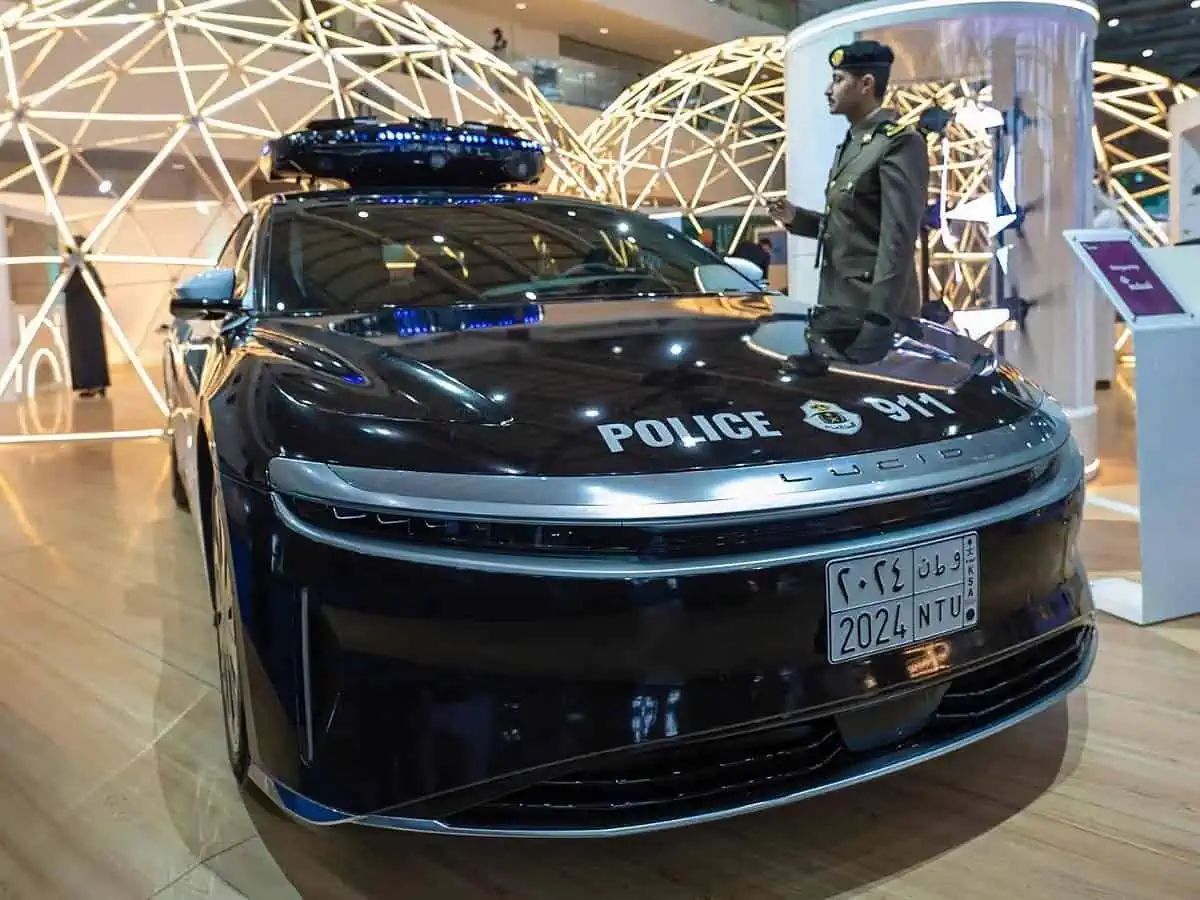
The Saudi government, through its Public Investment Fund (PIF), has invested heavily in Lucid Motors, a leading EV manufacturer. Lucid is building its first international factory in King Abdullah Economic City (KAEC), with a production target of 150,000 vehicles annually by 2027.
b) Saudi Green Initiative
As part of the Saudi Green Initiative, the Kingdom aims to increase EV adoption by developing charging infrastructure and incentivizing local manufacturing.
c) National EV Goals
Saudi Arabia has set an ambitious target of ensuring that 30% of vehicles in Riyadh are electric by 2030.
d) Charging Infrastructure
The Kingdom is partnering with global companies to establish EV charging stations across major cities, highways, and residential areas, making EV ownership more convenient.
Example: The Saudi Electricity Company (SEC) has launched pilot projects to install EV charging stations in Riyadh and Dammam.
3. EV Adoption in the UAE
The UAE is leading the EV transformation in the GCC with its proactive policies and early adoption of green mobility solutions.
a) Dubai’s Clean Energy Strategy 2050
Dubai aims to have 10% of all vehicles on its roads be electric or hybrid by 2030, supported by initiatives like the Green Charger Network, which provides free EV charging at public stations.
b) Abu Dhabi’s Sustainable Mobility Push
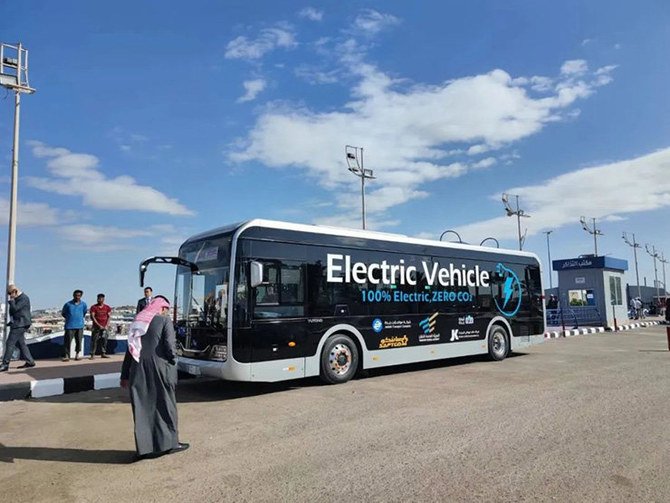
Abu Dhabi’s Integrated Transport Centre (ITC) has announced plans to replace 20% of its public bus fleet with electric buses by 2030. Additionally, the emirate is encouraging the adoption of EVs through incentives like reduced parking fees and toll exemptions.
c) Tesla’s Early Entry
Tesla was one of the first EV brands to establish a strong presence in the UAE, with dedicated showrooms and service centers in Dubai and Abu Dhabi, driving consumer awareness and interest in EVs.
d) Charging Infrastructure
The UAE boasts one of the region’s most extensive EV charging networks, with over 600 charging stations and plans for further expansion.
e) Free Zones and EV Startups
The UAE’s free zones, such as Dubai Silicon Oasis, are fostering EV innovation by supporting startups and businesses focused on green mobility.
4. Challenges to EV Adoption in the Region
Despite significant progress, Saudi Arabia and the UAE face challenges in achieving widespread EV adoption:
a) Range Anxiety
Many potential buyers remain concerned about EV range and the availability of charging infrastructure, particularly in remote areas.
b) High Initial Costs
Although incentives are helping, the upfront cost of EVs remains a barrier for many middle-income consumers.
c) Harsh Climate
The region’s extreme heat poses challenges for EV battery performance, requiring manufacturers to develop models suited to the climate.
d) Public Awareness
While growing, consumer awareness about EV benefits and maintenance remains limited in some segments of the population.
5. The Role of Private Sector and Startups
Private companies and startups are playing a crucial role in accelerating EV adoption in Saudi Arabia and the UAE:
a) Pioneering EV Startups
- Voltline (UAE): Focuses on developing accessible EV charging solutions across the Emirates.
- Ceer Motors (Saudi Arabia): Saudi Arabia’s first homegrown EV brand, set to launch by 2025, aims to produce affordable and climate-adapted vehicles.
b) Corporate Commitments
- Companies like Careem and Uber are integrating EVs into their fleets, contributing to the green mobility movement.
- Real estate developers are installing EV charging stations in residential and commercial properties to attract environmentally conscious tenants.
6. Future Prospects for EV Growth
The outlook for EV adoption in Saudi Arabia and the UAE is incredibly promising. Key developments to watch include:
a) Rise of Local Manufacturing
- Saudi Arabia’s investment in Ceer Motors and partnerships with global manufacturers will reduce dependence on imports and drive local job creation.
- The UAE is exploring collaborations with international brands to establish assembly plants in free zones.
b) Expansion of Charging Networks
Both nations are prioritizing the expansion of EV charging networks, including fast chargers along highways and at key locations like malls, offices, and airports.
c) Smart Mobility Integration
EVs are expected to play a key role in the region’s smart city initiatives, integrating with AI-powered traffic systems and autonomous vehicle projects.
d) Hydrogen-Powered Vehicles
The Middle East is also exploring hydrogen fuel cell vehicles as a complement to EVs, particularly for long-haul transport and heavy-duty vehicles.
Image Courtesy Notice
At The Storiez, we value the efforts of photographers, artists, and content creators. The images featured in our articles are sourced from various news portals and online websites. We strive to ensure proper credit is given wherever possible. If you are the rightful owner of any image used here and would like to request its removal or correct attribution, please feel free to contact us. We respect intellectual property rights and aim to address concerns promptly.