


For decades, Saudi Arabia has been synonymous with oil wealth, holding one of the world’s largest crude reserves and playing a pivotal role in global energy markets. However, the Kingdom is undergoing a historic transformation, shifting from an oil-dependent economy to a diversified, knowledge-based economy driven by innovation, technology, and sustainable industries.
Under Vision 2030, Saudi Arabia is investing billions in tourism, entertainment, technology, renewable energy, and industrial sectors to create a more resilient and globally competitive economy. This article explores the key sectors shaping Saudi Arabia’s post-oil future and the opportunities emerging from its diversification efforts.
1. The Need for Economic Diversification
The volatility of oil prices and the global push toward renewable energy have made economic diversification a necessity for Saudi Arabia. Key drivers for diversification include:
- Reducing Dependence on Oil: Oil revenues account for a significant portion of the Kingdom’s GDP, making the economy vulnerable to price fluctuations.
- Job Creation: With a growing population, especially young Saudis entering the workforce, diversification is essential for generating employment opportunities.
- Global Competitiveness: Competing in sectors like technology, tourism, and logistics will position Saudi Arabia as a leading global business hub.
- Sustainability Goals: Reducing reliance on fossil fuels aligns with Saudi Arabia’s Net Zero 2060 carbon neutrality commitment.
2. Key Sectors Driving Diversification
Saudi Arabia is making significant investments in various sectors to diversify its economy beyond oil.
a) Tourism and Entertainment – A New Global Destination
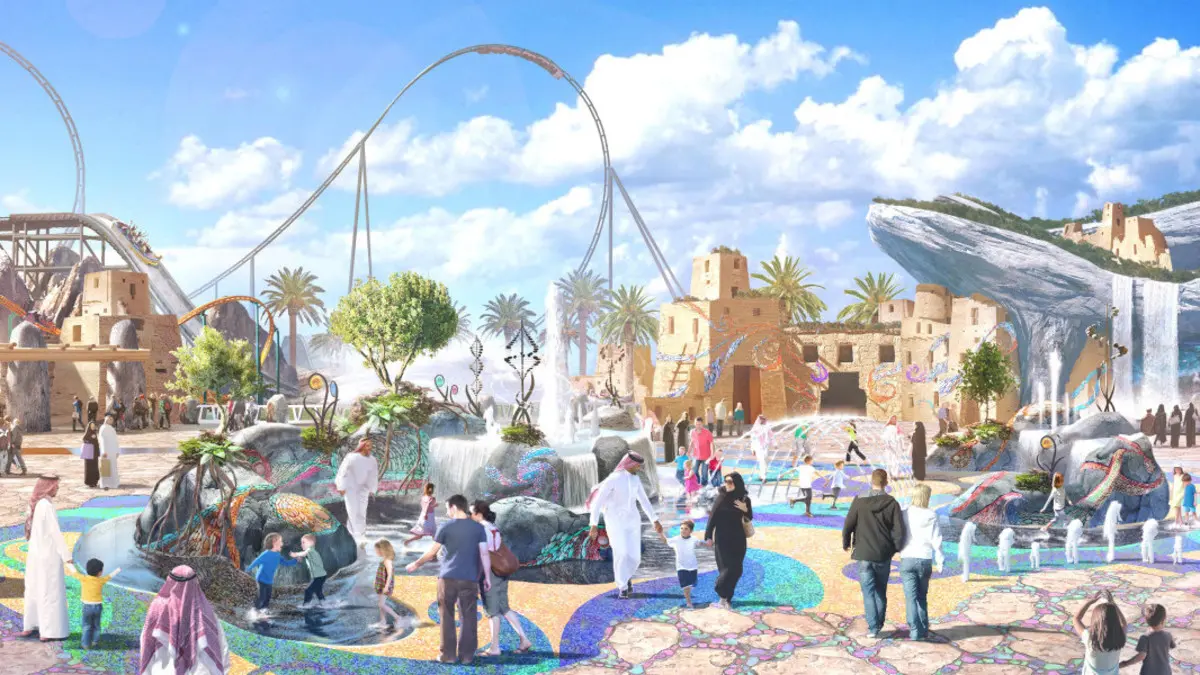
Saudi Arabia is rapidly positioning itself as a world-class tourism hub under the Saudi Vision 2030 framework. The government has committed $1 trillion to tourism development, aiming to increase annual visitors from 25 million to 100 million by 2030.
Key Initiatives:
- NEOM – The Futuristic City: A $500 billion smart city featuring The Line, an innovative car-free urban development powered by renewable energy.
- Red Sea Project: A luxury tourism destination featuring island resorts, eco-friendly hotels, and marine biodiversity conservation.
- Diriyah Gate: A cultural tourism hub celebrating Saudi Arabia’s rich heritage and history.
- Entertainment Industry Growth: The rise of Riyadh Season, international concerts, theme parks, and eSports events is making Saudi Arabia a cultural and entertainment hotspot.
Impact: Tourism is expected to contribute 10% of Saudi GDP by 2030, creating over 1 million jobs in the hospitality and entertainment sectors.
b) Technology and Innovation – Building a Digital Economy
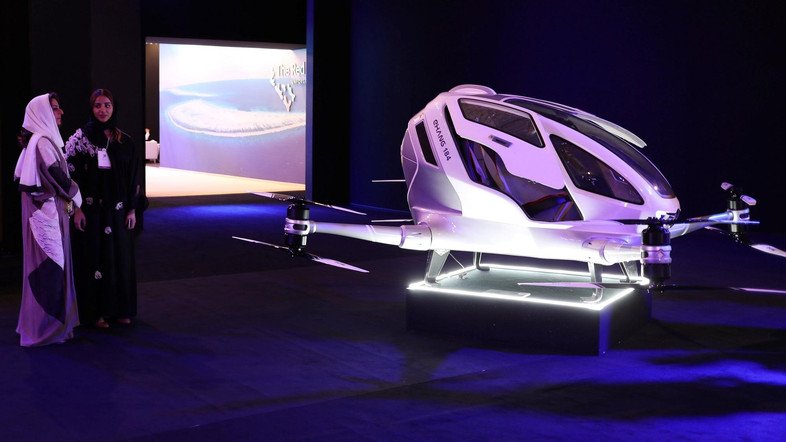
Saudi Arabia is investing heavily in technology, AI, and digital transformation to become a global innovation hub. The government has earmarked $6.4 billion for tech-related projects.
Key Initiatives:
- Saudi Digital Transformation Plan: Encouraging AI, cloud computing, and blockchain adoption in government and private sectors.
- STC and NEOM Tech & Digital: Driving the development of 5G, AI, and cybersecurity infrastructure.
- Venture Capital Investments: Saudi Arabia is supporting startups and tech entrepreneurs, making it one of the fastest-growing markets for fintech, healthtech, and edtech.
Impact: The tech sector is projected to add $50 billion to GDP by 2030 and make Saudi Arabia a leading innovation hub in the MENA region.
c) Renewable Energy – Leading the Green Transition
Saudi Arabia is making renewable energy a key pillar of its economic transformation. The goal is to generate 50% of its electricity from renewables by 2030.
Key Initiatives:
- Saudi Green Initiative: Committing to sustainability, reforestation, and clean energy investments.
- NEOM’s Green Hydrogen Project: A $5 billion investment to produce carbon-free hydrogen, making Saudi Arabia a leader in hydrogen energy exports.
- Solar and Wind Farms: Projects like the Sakaka Solar Plant and Dumat Al-Jandal Wind Farm are scaling up renewable energy capacity.
Impact: Saudi Arabia aims to become the world’s largest green hydrogen producer and a major exporter of clean energy solutions.
d) Logistics and Infrastructure – A Global Trade Hub
Saudi Arabia’s geographic location makes it an ideal hub for international trade and logistics. The government is investing in ports, airports, and transport networks to transform the Kingdom into a global logistics hub.
Key Initiatives:
- Saudi Land Bridge Project: A railway network connecting east and west Saudi Arabia, improving freight and trade movement.
- Expansion of Jeddah Islamic Port: Aiming to make it one of the top 10 container ports worldwide.
- Riyadh Metro: A $22 billion project enhancing urban mobility and reducing congestion.
Impact: The logistics sector is expected to contribute $100 billion to GDP and create thousands of jobs by 2030.
e) Manufacturing and Industrial Growth
Saudi Arabia is localizing production and expanding its industrial base in sectors like automobiles, pharmaceuticals, and defense.
Key Initiatives:
- Ceer Motors: Saudi Arabia’s first homegrown EV brand, set to produce electric vehicles by 2025.
- Vision 2030 Local Manufacturing Plan: Aiming to increase local production of pharmaceuticals, defense equipment, and consumer goods.
- Industrial Cities: Expanding King Abdullah Economic City (KAEC) and Jubail Industrial City to attract foreign investors and manufacturers.
Impact: Manufacturing’s contribution to GDP is expected to increase from 12% to 20% by 2030, reducing reliance on imports.
3. Challenges in Saudi Arabia’s Economic Transition
While Saudi Arabia’s diversification efforts are ambitious, several challenges need to be addressed:
a) Workforce Readiness
- The shift to a knowledge-based economy requires upskilling the workforce in technology, engineering, and advanced industries.
- Government initiatives like Human Capability Development Program aim to address this by enhancing STEM education and vocational training.
b) Foreign Investment and Market Competition
- Attracting global investors while competing with established hubs like Dubai and Singapore remains a challenge.
- Regulatory reforms and investment-friendly policies are being introduced to attract more foreign direct investment (FDI).
c) Cultural and Social Shifts
- The transition from an oil-driven to an innovation-driven economy requires a cultural shift in how businesses operate and how citizens approach entrepreneurship.
4. The Future of Saudi Arabia’s Diversification
Saudi Arabia’s shift from an oil economy to a diversified, innovation-led economy is well underway. The Kingdom’s ambitious plans indicate a future where:
- Technology and AI will play a dominant role in business, governance, and daily life.
- Renewable energy will make Saudi Arabia a leader in global sustainability efforts.
- Tourism and entertainment will drive cultural and economic transformation.
- Logistics and manufacturing will make Saudi Arabia a global trade and production hub.
Projected Impact: By 2030, Saudi Arabia aims to increase non-oil GDP to 50% of total GDP, creating a resilient and sustainable economy that thrives beyond oil.
Image Courtesy Notice
At The Storiez, we value the efforts of photographers, artists, and content creators. The images featured in our articles are sourced from various news portals and online websites. We strive to ensure proper credit is given wherever possible. If you are the rightful owner of any image used here and would like to request its removal or correct attribution, please feel free to contact us. We respect intellectual property rights and aim to address concerns promptly.